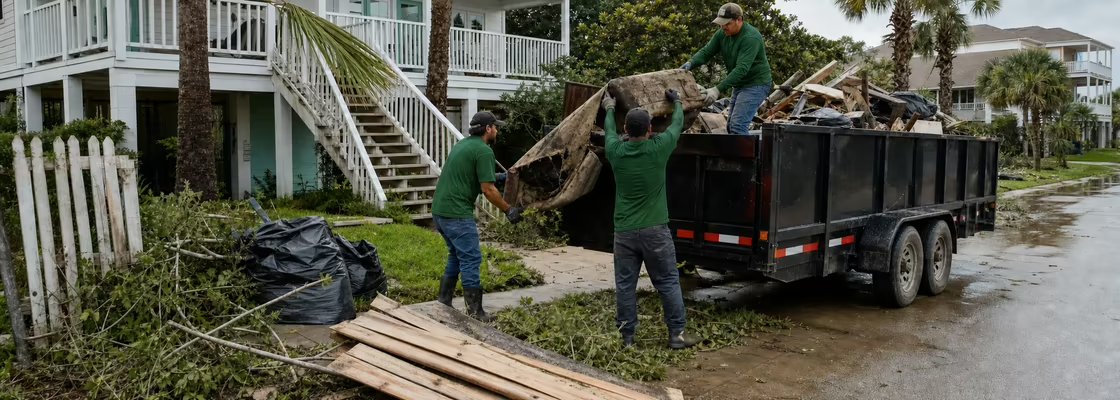
When a hurricane moves through the Gulf Coast, cleanup begins before a property feels normal again. Wind can scatter branches and fencing across a yard, rain can ruin furniture and flooring, and a loss of power can spoil food or leave appliances wet. The volume grows quickly, but the first task is not loading a trailer. It is deciding where the property is safe, what must be documented, and which materials can be handled through ordinary junk removal.
Post-storm debris is rarely one uniform pile. It may contain reusable household goods, wet porous material, tree limbs, construction debris, chemicals, electronics, and sharp objects. Combining everything can create injuries, complicate an insurance claim, contaminate recyclable material, and cause a load to be rejected. A deliberate sorting plan makes removal safer and gives each material a more appropriate destination.
This guide explains how Katy and West Houston property owners can organize junk removal after a hurricane. Conditions vary from one storm and municipality to another, so follow current directions from emergency officials, your insurer, and local waste authorities whenever they differ from general guidance.
Wait Until the Property Is Safe to Enter
Return only after local officials say the area is accessible. Never enter a building with visible shifting, a sagging roof or ceiling, displaced walls, standing water near electrical equipment, a suspected gas leak, or an active fire hazard. Floodwater can conceal nails, glass, unstable surfaces, sewage, wildlife, and energized equipment. If structural, electrical, gas, or contamination conditions are uncertain, stop and contact the appropriate licensed professional or emergency authority.
Wear sturdy closed-toe boots, work gloves, eye protection, long sleeves, and other protective equipment appropriate to the material. Keep children and pets outside the work zone. A junk-removal crew handles lifting and hauling; it does not replace a structural inspector, electrician, mold remediator, hazardous-material contractor, or emergency response team.
Document Damage Before Moving Debris
Before disturbing the scene, take wide photos of each affected room and outdoor area, then photograph individual damaged items and identifying details. Make a written inventory with approximate age, condition, and purchase information when available. Save receipts for emergency supplies, temporary repairs, hauling, and disposal. Contact the insurer early and ask whether an adjuster must inspect anything before it is discarded.
If material must move for safety, photograph it in place first and keep a record of where it went. Property managers should also preserve tenant communications, ownership records, and authorization to remove belongings. GreenPath can provide removal service records, but insurance coverage and claim requirements remain between the property owner and insurer.
Sort Debris Into Separate Categories
Create clearly separated groups only where the ground and access route are safe. Common categories include vegetative debris such as branches; damaged furniture and household goods; appliances and electronics; construction material such as drywall, flooring, shingles, and fencing; and household garbage. Keep donation candidates clean and dry, although items exposed to floodwater, sewage, mold, or heavy smoke generally should not enter a donation stream.
Separation helps a hauler estimate volume and choose appropriate destinations. Do not make unstable piles, block sidewalks or fire hydrants, place debris under power lines, or obstruct storm drains. If a public collection program gives specific curbside instructions, follow its required pile locations and categories.
Keep Hazardous and Contaminated Material Out
Paint, fuel, oil, pesticides, pool chemicals, propane cylinders, batteries, ammunition, medical sharps, and unidentified liquids do not belong in a general junk load. Storm damage can remove labels or weaken containers. Do not open, smell, combine, drain, burn, or place them in ordinary bags. Isolate the area when safe and contact the designated household hazardous-waste program or an appropriately qualified contractor.
Materials affected by sewage, chemical spills, asbestos, lead dust, or extensive mold require specialized assessment and handling. Refrigerators and freezers containing spoiled food may also need preparation under local rules, while air-conditioning equipment can contain refrigerant that must be recovered properly. Disclose every questionable item when requesting a quote.
Plan Around Municipal Storm-Debris Collection
After a declared disaster, a city, county, or contracted program may offer special curbside debris collection. Its schedule, eligible materials, separation rules, and boundaries can differ from normal trash service. Confirm current instructions directly with the responsible local authority. A private hauler can help when a deadline, interior carry-out, scattered debris, or material outside the public program requires another solution.
Avoid placing debris on neighboring property or in the public right-of-way without authorization. Large downed trees, utility poles, vehicles, boats, and material entangled with power lines are outside ordinary junk removal and need the relevant utility, towing, tree, or specialty service.
Request an Accurate Hurricane Cleanup Estimate
Send the service address, wide photos, close-ups of unusual items, and a description of every pickup location. Note stairs, gates, soft ground, low branches, standing water, road closures, parking limits, and whether debris is inside or staged. Identify heavy materials such as wet drywall, tile, roofing, soil, or concrete separately; weight and disposal requirements can affect capacity and pricing as much as visible volume.
Explain what happened to the material, not simply what it is. A dry sofa differs from one saturated by floodwater. Update the hauler if conditions or pile size change. GreenPath can then confirm what fits a standard full-service junk removal appointment, what requires another provider, and whether access remains safe.
Prepare a Safe Loading Area
Once hazards have been cleared by appropriate professionals, choose a firm, accessible loading location that does not obstruct emergency traffic. Mark weak pavement, septic components, irrigation equipment, concealed ditches, and overhead obstructions. Keep vehicles, pets, residents, volunteers, and unrelated contractors away from the carry path. Wet lawns and driveways can affect where equipment can operate.
Do not drag large waterlogged furniture, broken cabinetry, or sharp building material merely to save loading time. Wet items can weigh far more than expected, and storm-damaged objects can fail when lifted. Customers can help most by labeling what leaves, keeping categories distinct, and ensuring an authorized adult can answer questions.
Confirm the Scope and Finish Methodically
Walk the property with the crew before loading. Identify approved items, exclusions, documented hazards, and anything that must remain for an adjuster. Confirm the quoted scope and pricing method before authorizing work. When loading is complete, inspect each pickup area and retain photos, invoices, and disposal records with the storm file.
Removal is one part of recovery, not the final safety clearance. Exposed framing may need drying, surfaces may need professional cleaning, and hidden water intrusion may require evaluation. Coordinate the next step with qualified restoration and construction professionals.
Build a Recovery Plan, Not Just a Debris Pile
Hurricane cleanup works best as a sequence: confirm safety, document damage, separate material, identify restricted waste, compare public and private removal options, then schedule appropriate labor and capacity. That order protects people, preserves records, and reduces the chance that one prohibited item disrupts an otherwise manageable load.
GreenPath Junk Removal serves Katy and West Houston with local hauling and a commitment to donation and recycling where material remains suitable. After a hurricane, safety and contamination rules may limit those options, but careful sorting still matters. When officials have cleared the property and hazardous conditions have been addressed, contact GreenPath with photos and a complete inventory to plan the remaining debris removal responsibly.